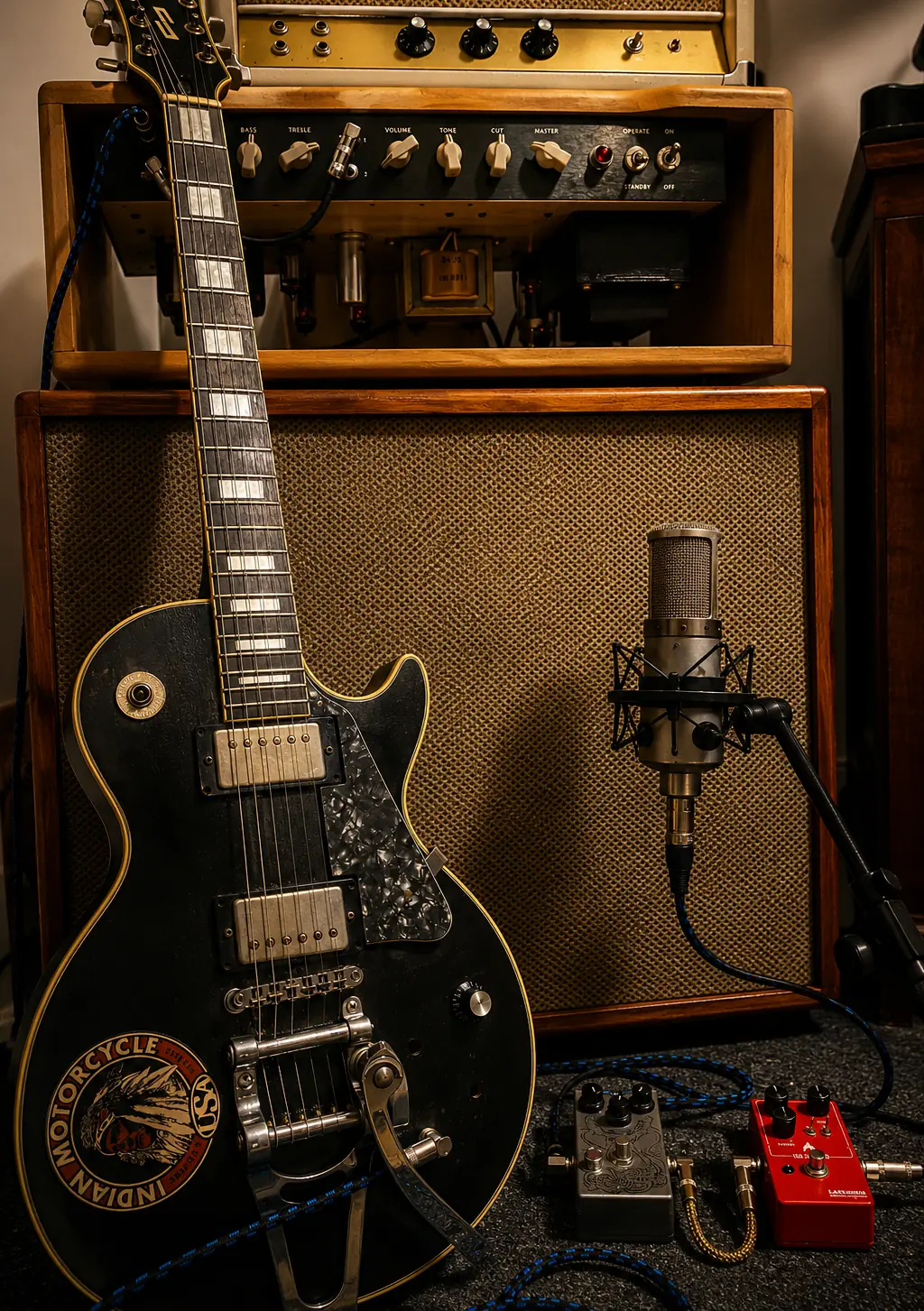
Some of the things I particularly like making records with.
I like making records with instruments and equipment made by people I know, built with my own tastes in mind, or sometimes built by me for a particular purpose. There’s something I like about knowing that even the smallest decisions made at the workbench were made with an understanding of who would eventually be using it. The thinking about a sound can start long before we press Record.
This isn't an equipment list. There’s far too much here to catalogue everything, and a list of model numbers doesn't tell you much about making a record anyway.
These are simply some of the instruments, microphones, amps, recording gear, and other things I particularly like — the stuff that gets used, sounds great, or is just plain cool.
You need to know what you're hearing.
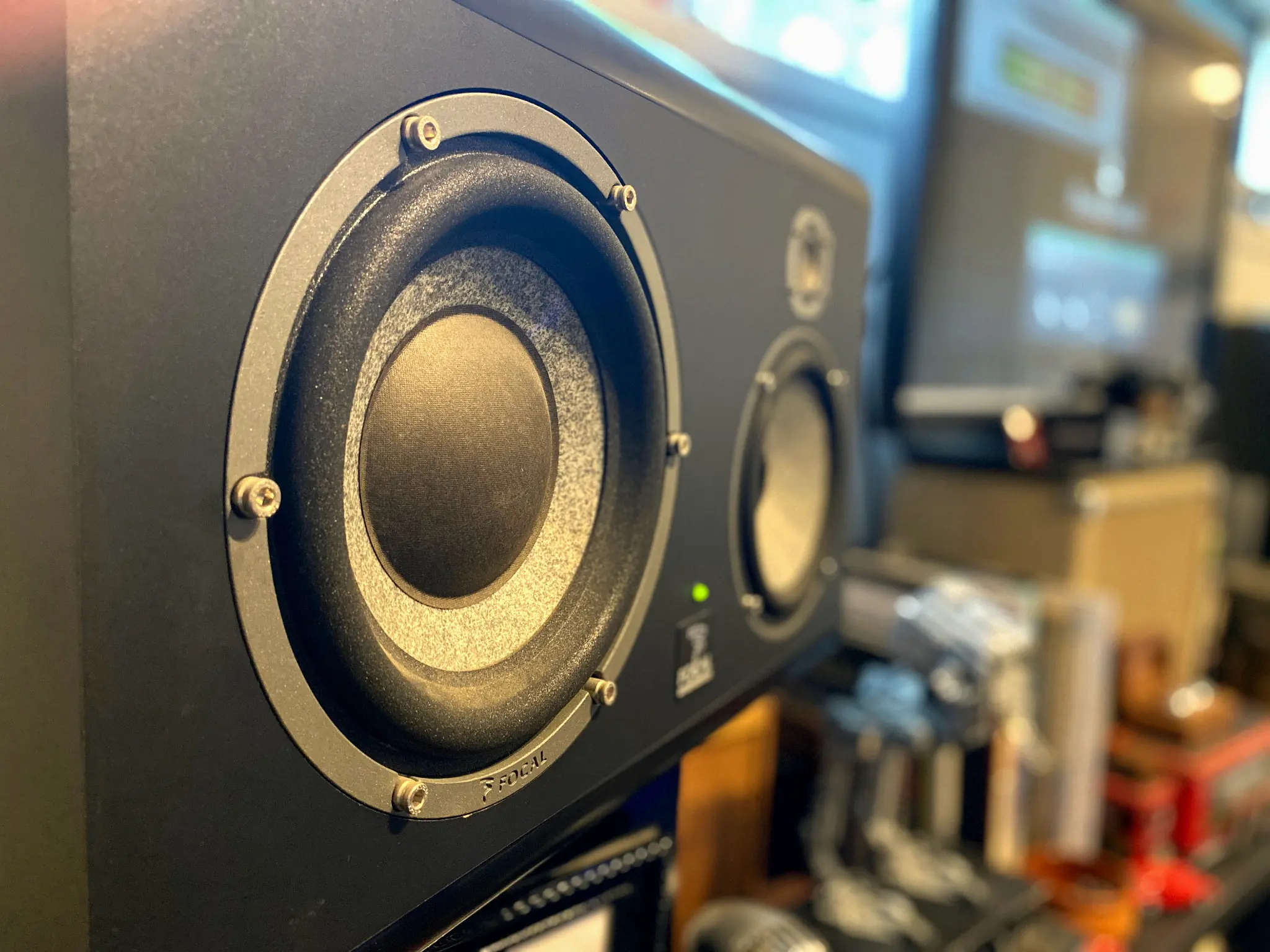
The main monitors are Focal SM9s. They're detailed, revealing, and — most importantly — I know them. I trust what they tell me when I'm recording, making decisions, and mixing.
Great monitors let you hear what's really going on. Knowing them well lets you make decisions with confidence — and trust that those decisions will translate when the record leaves the studio.
Old-school when it helps. Modern when it doesn't.
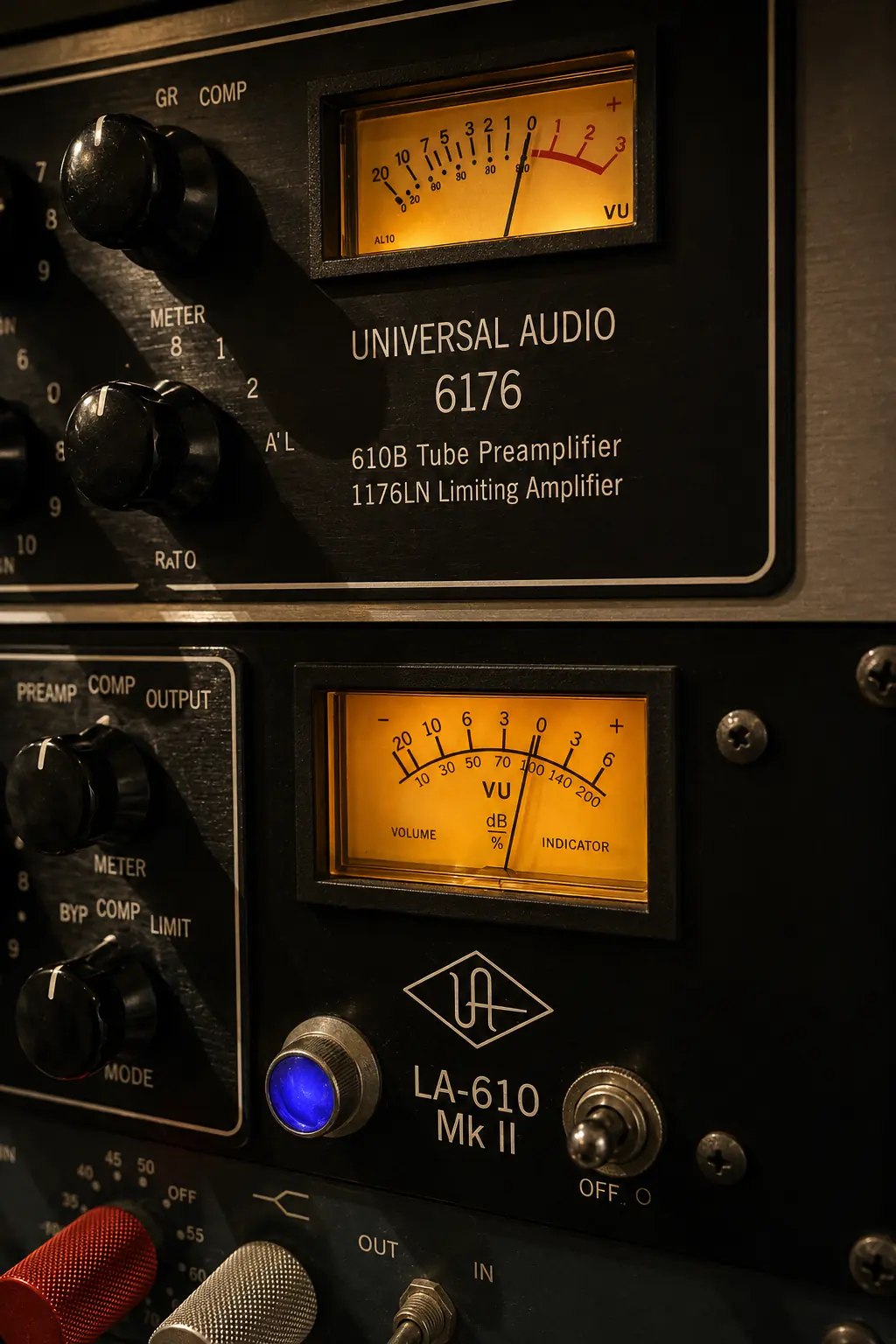
There's a range of analogue valve and solid-state microphone preamps and outboard before we ever reach the converters, alongside all the flexibility of a modern digital studio.
I like having choices. Sometimes a sound wants valves and transformers. Sometimes the cleanest, simplest path is the right one. The gear is there to give us options, not rules.
The same applies to microphones. There are plenty to choose from, but the badge on the front isn't really the point. Put up something that suits the instrument, listen, move it, try something else if it isn't working — and get on with making the record.
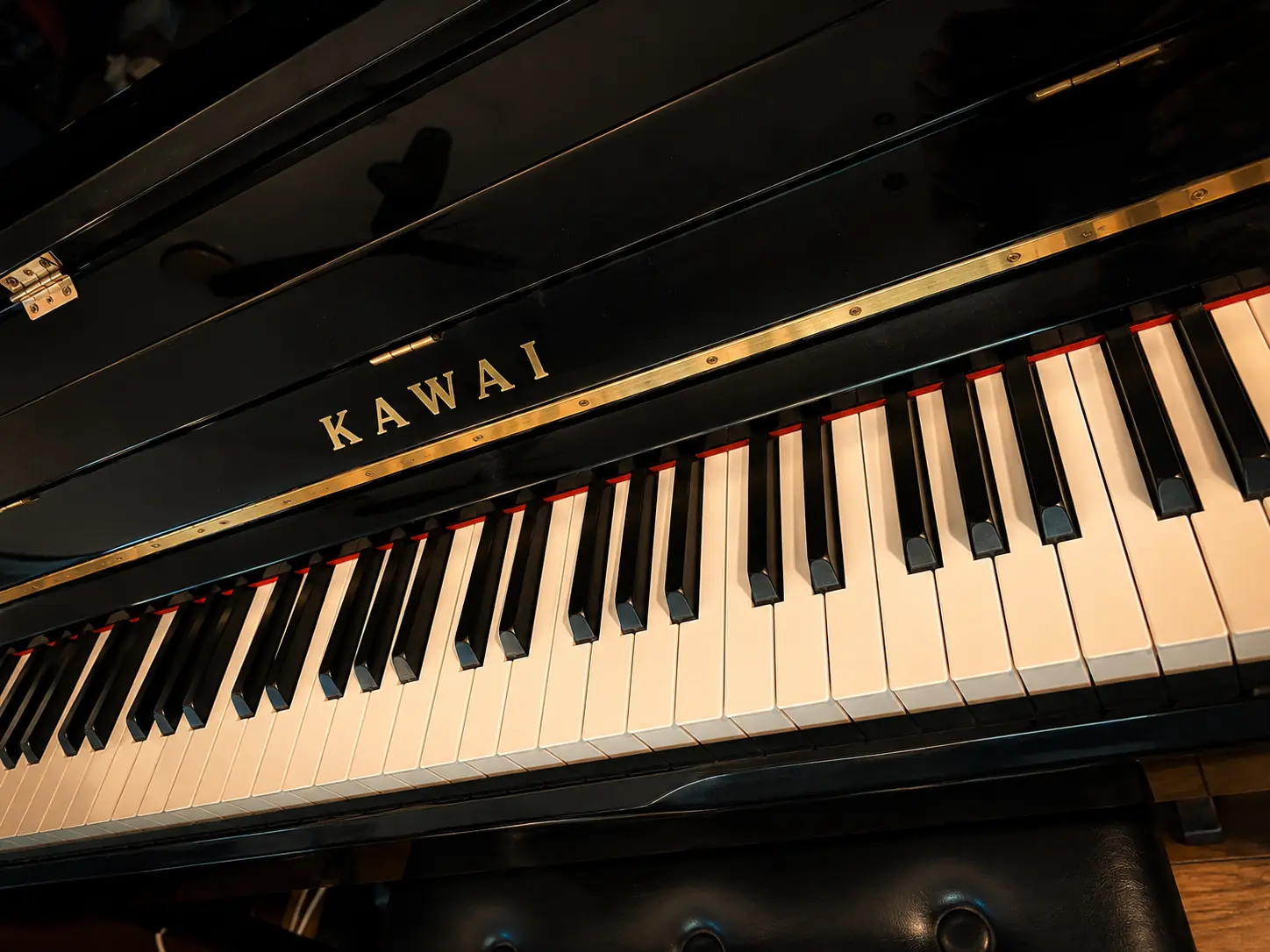
Instruments are meant to be played.
There's a beautiful Kawai acoustic piano, a number of custom handmade guitars by Australian luthiers — including three made by Gerard Gilet — resonators, basses, and more guitars than I'm prepared to count.
They all bring something different. Sometimes you know exactly what you want to reach for. Other times you pick something up and it takes the song somewhere you weren't expecting. If one of them gives a song an idea we didn't have five minutes earlier, even better.
They're here to be played. If you’re planning to make the Kawai a big part of the session, maybe give me a heads-up and I’ll make sure it’s freshly tuned.
Sometimes the amp is part of the instrument.
There are a range of guitar and bass amps and cabinets in the studio, as well as digital modelling when that's the right tool for the job.
I'm a guitar player, so this is one area where I've accumulated more options than any reasonable person probably needs.
Different guitars, amps, cabinets, microphones, and rooms interact in completely different ways. Finding the sound can be part of finding the part.